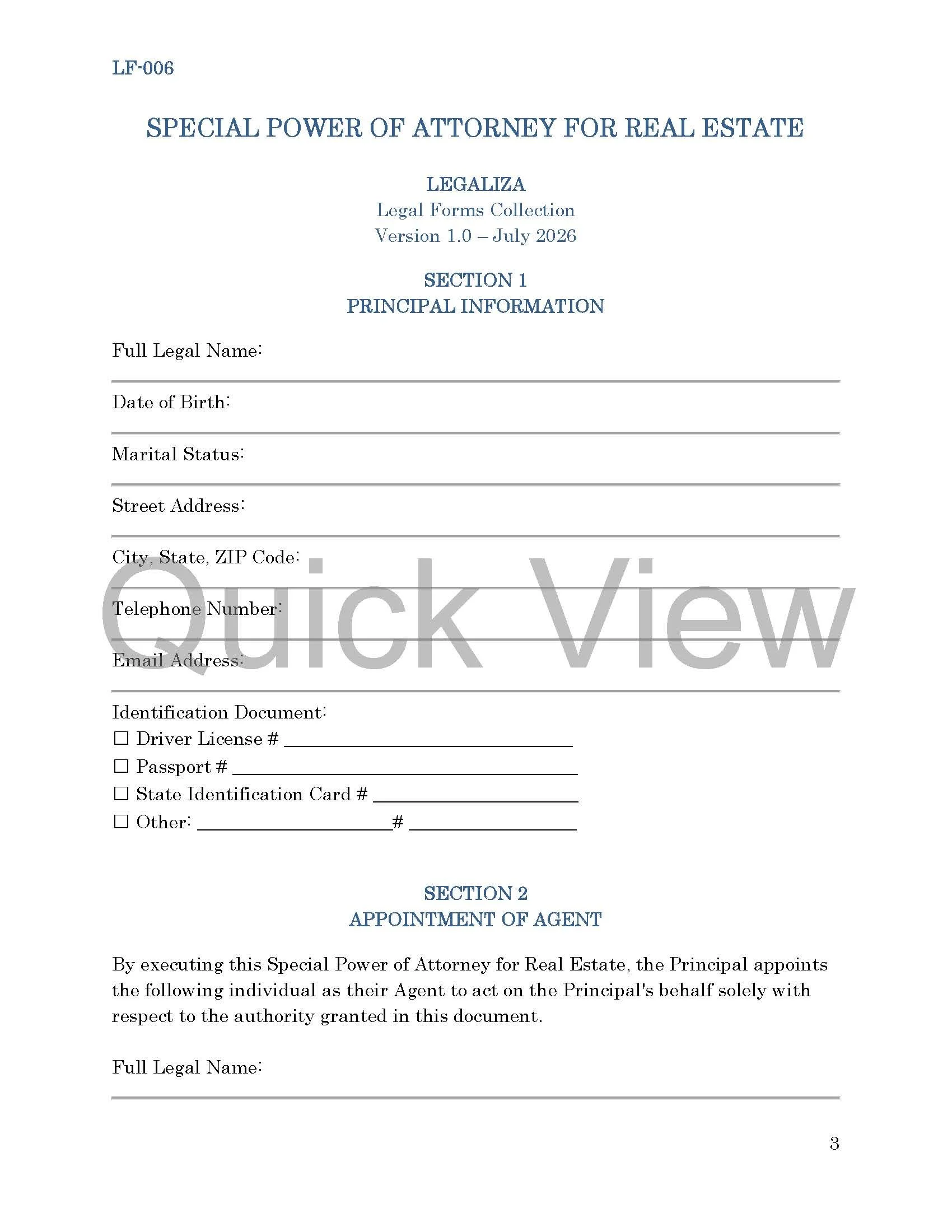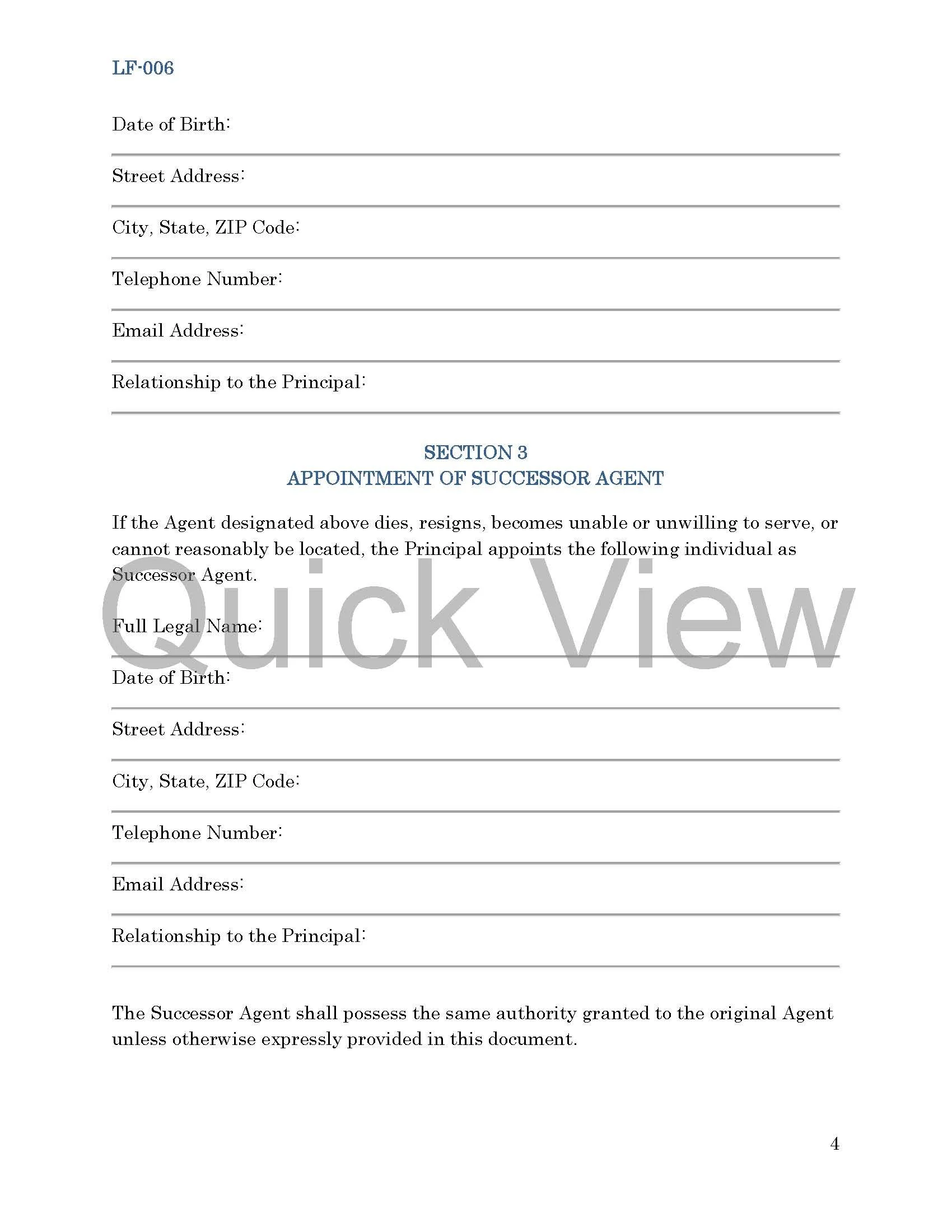
A Special Power of Attorney for Real Estate Management is a limited, written authorization in which a property owner (the principal) appoints an agent (the attorney-in-fact) to perform specific acts related to real property on the principal’s behalf. Typical powers granted include leasing, renting, collecting rents, signing contracts, paying taxes and utilities, handling repairs, negotiating sale terms, executing closing documents, and representing the owner before public offices and registries. The authority is confined to the transactions and properties specified in the document and may include start and end dates or conditions for termination. For effectiveness, the instrument usually must be notarized and may require registration in the local land registry depending on the jurisdiction and the nature of the act (e.g., sale or mortgage)..
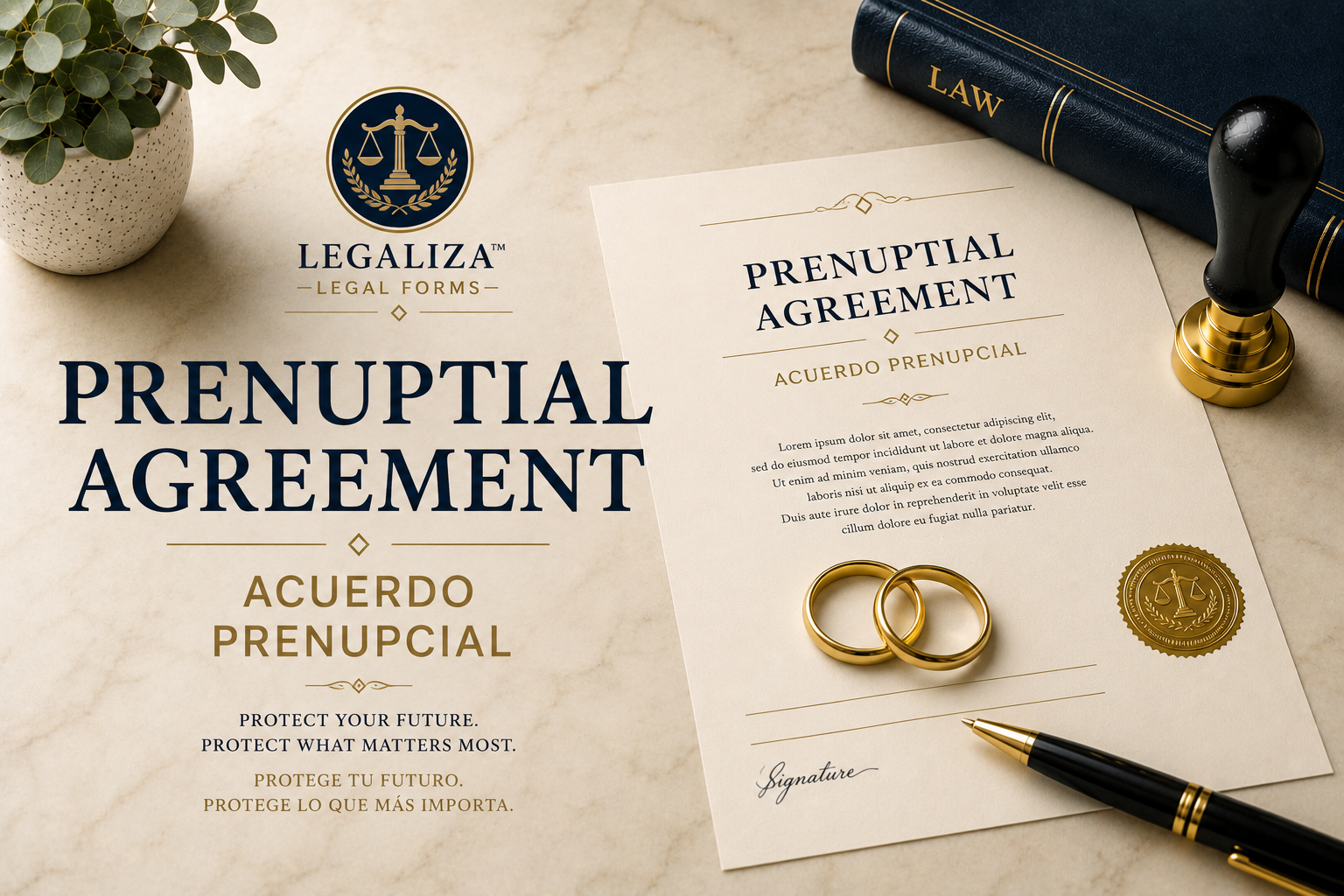
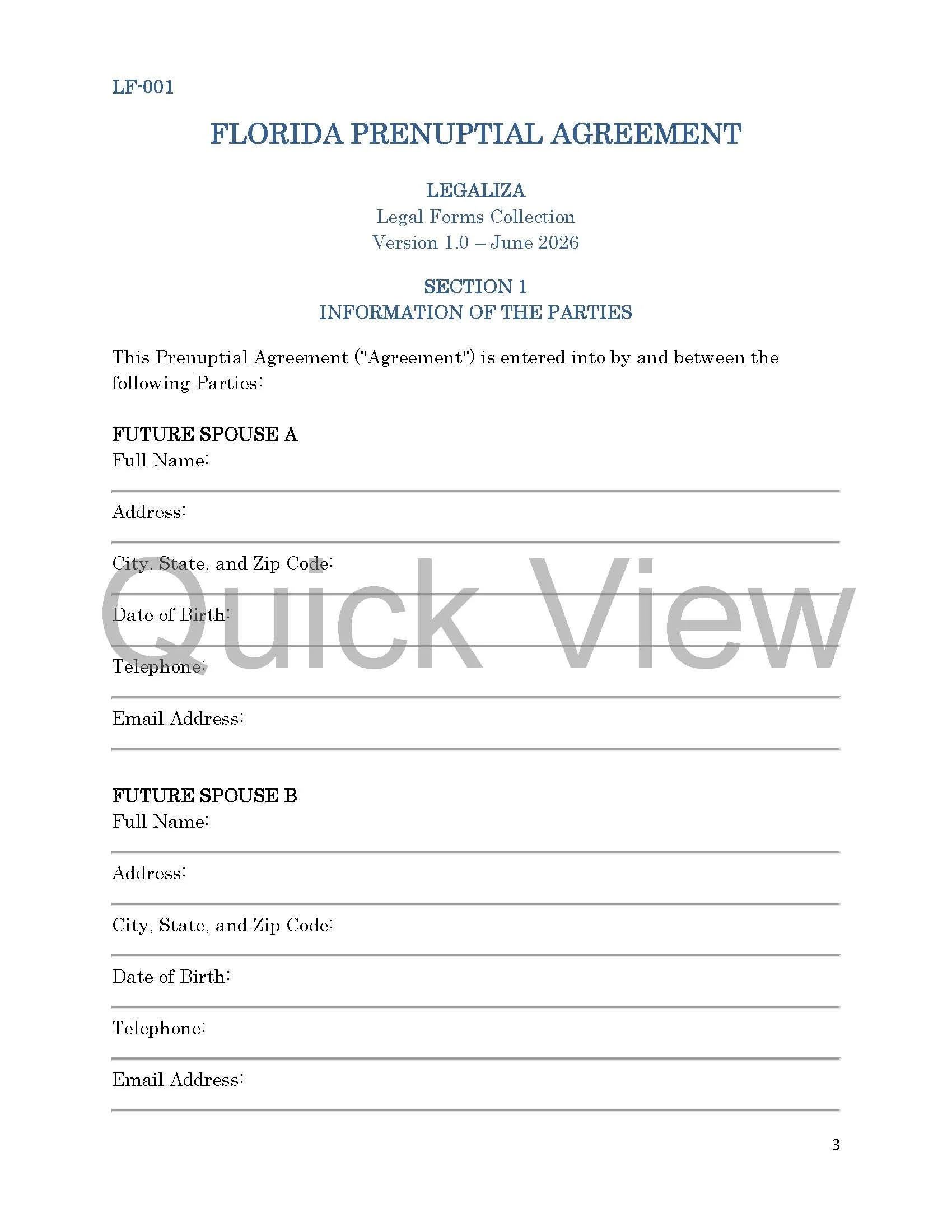
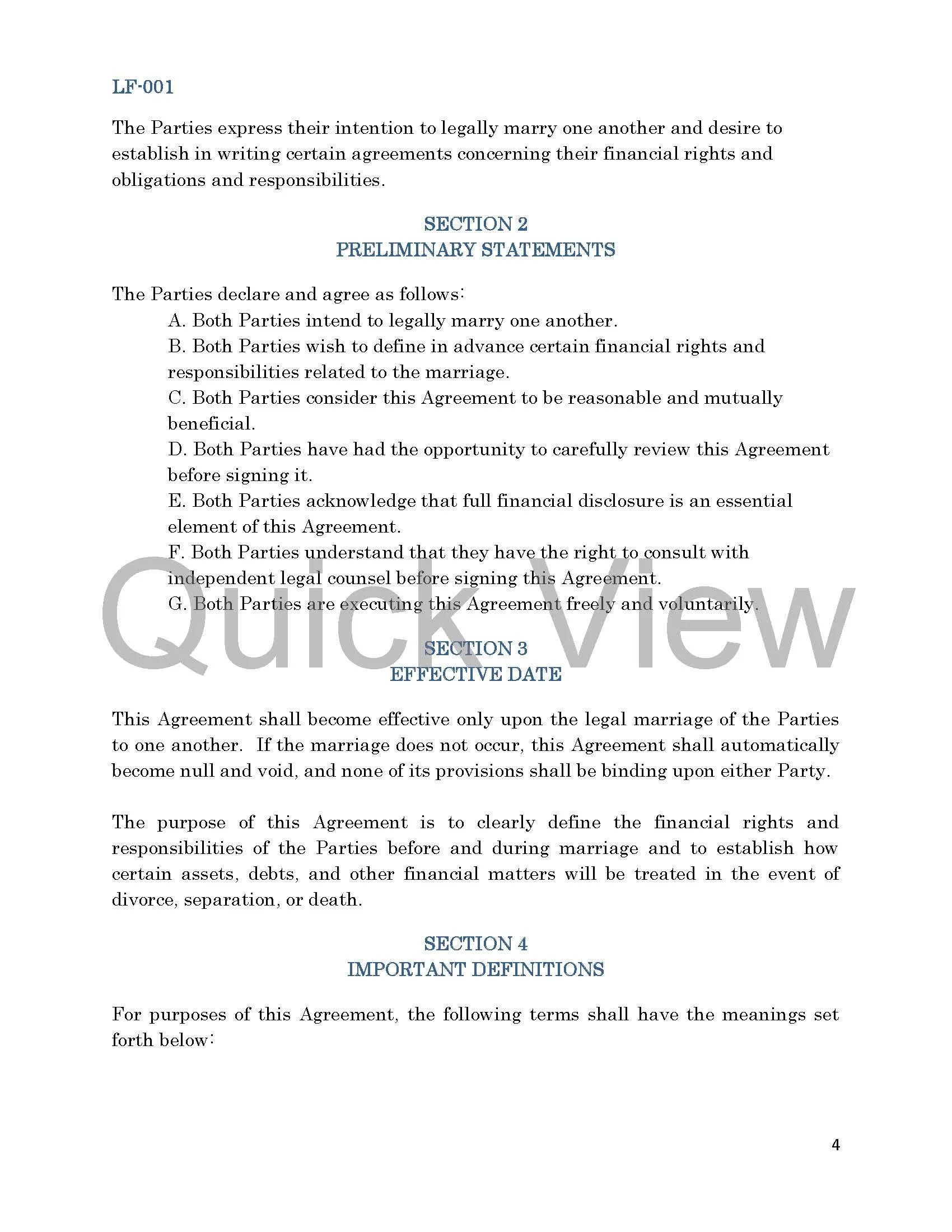
A contract signed prior to marriage that establishes the distribution of assets, debts, and financial rights in the event of separation, divorce, or death. It defines separate and joint property, the matrimonial property regime (for example: separation of assets or participation), spousal support, asset management, and the liquidation of assets. It may address business interests, inheritances, and dispute resolution methods (mediation/arbitration). To be valid, the agreement must be entered into voluntarily and signed by both parties, with full disclosure of assets and independent legal advice; its validity may depend on local formalities.
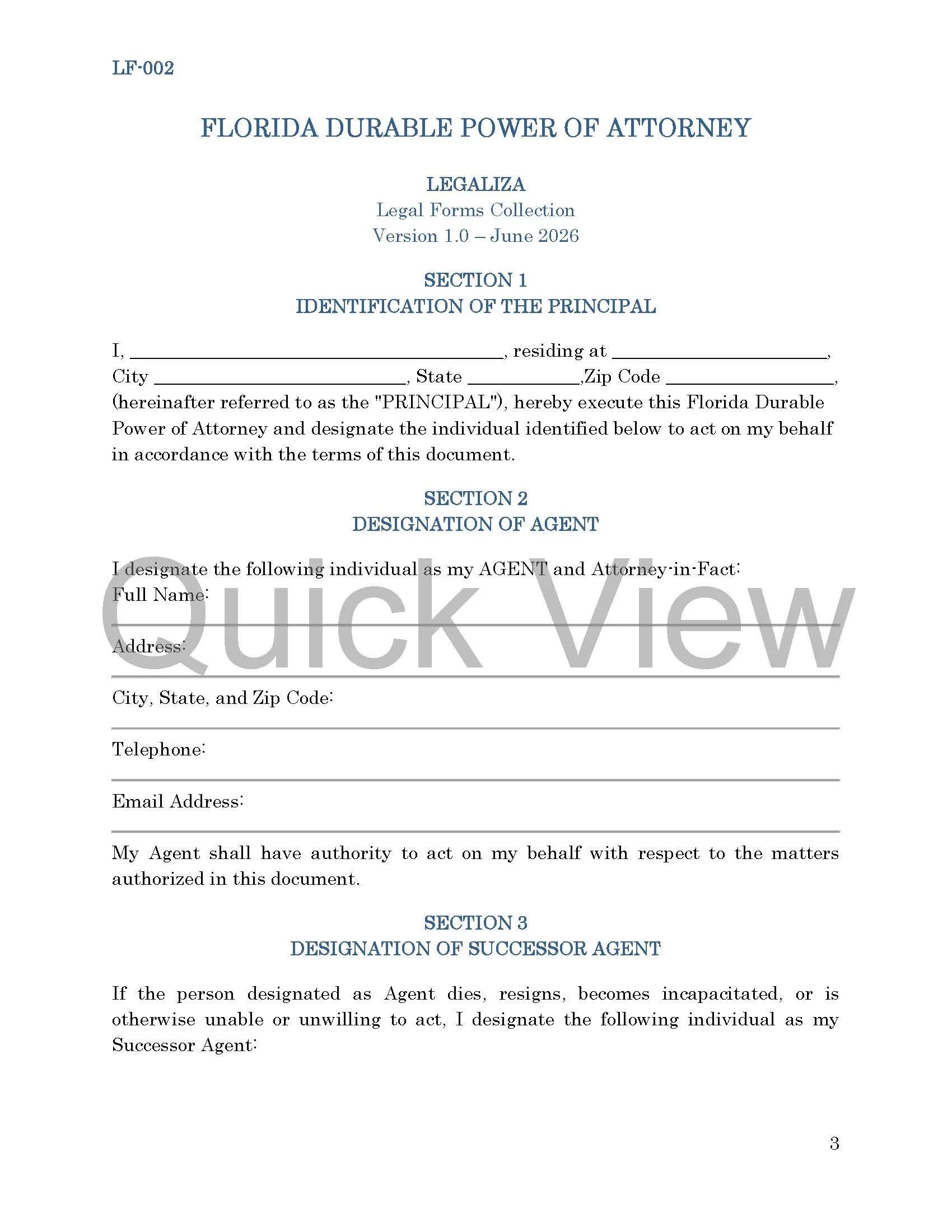
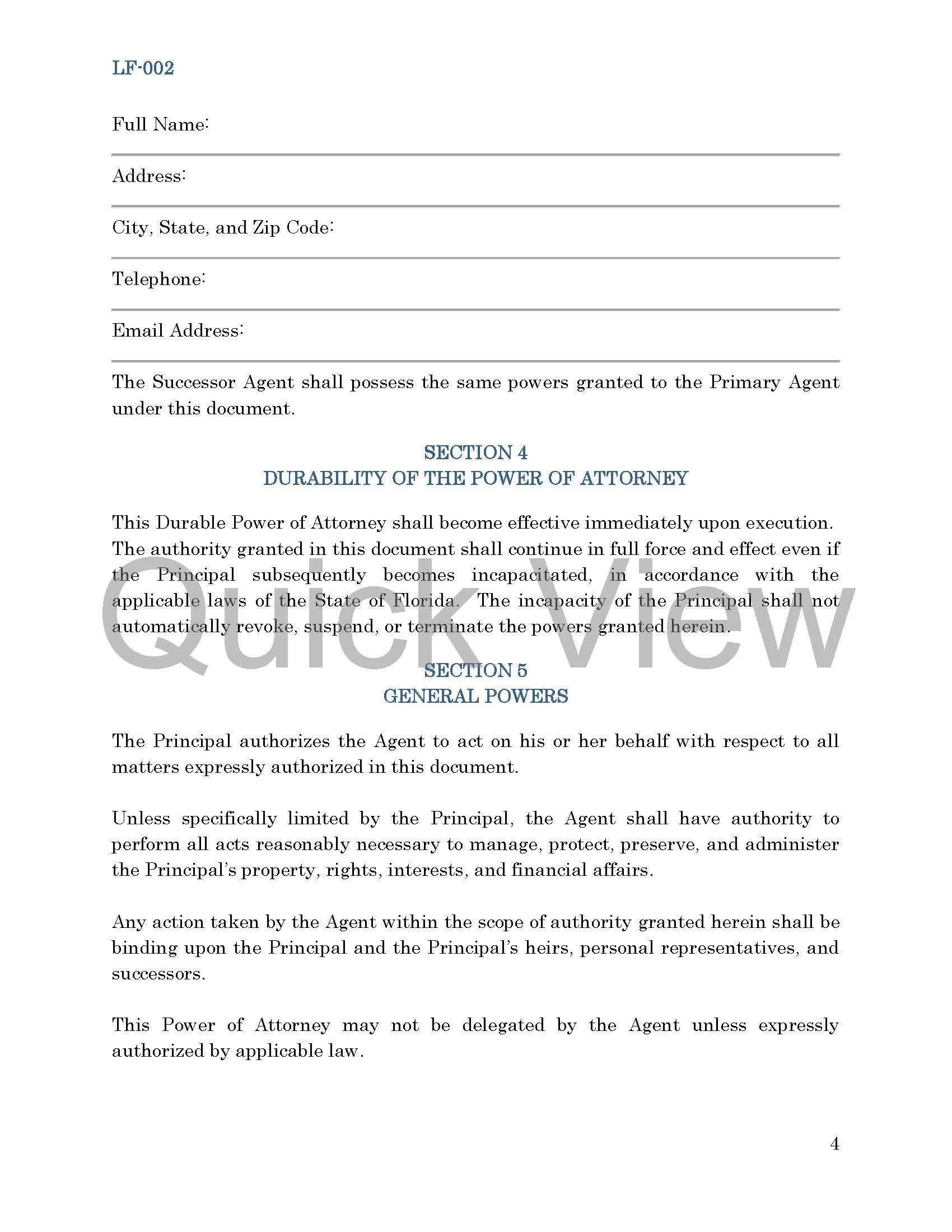
A durable power of attorney (POA) is a document in which a person (the principal) appoints an agent to make decisions and act on their behalf. "Durable" means that the authority remains in effect even if the principal becomes incapacitated. It can grant broad or limited powers—covering financial matters (banking, investments, payments, real estate) and, if authorized, personal or healthcare decisions. The document must specify the scope, limitations, and effective date of the powers (whether immediate or upon incapacity), as well as any successor agents. It requires the principal's signature and, depending on the state, witnesses and/or a notary public. It is a key component of estate and incapacity planning; it should be drafted carefully or with legal guidance..
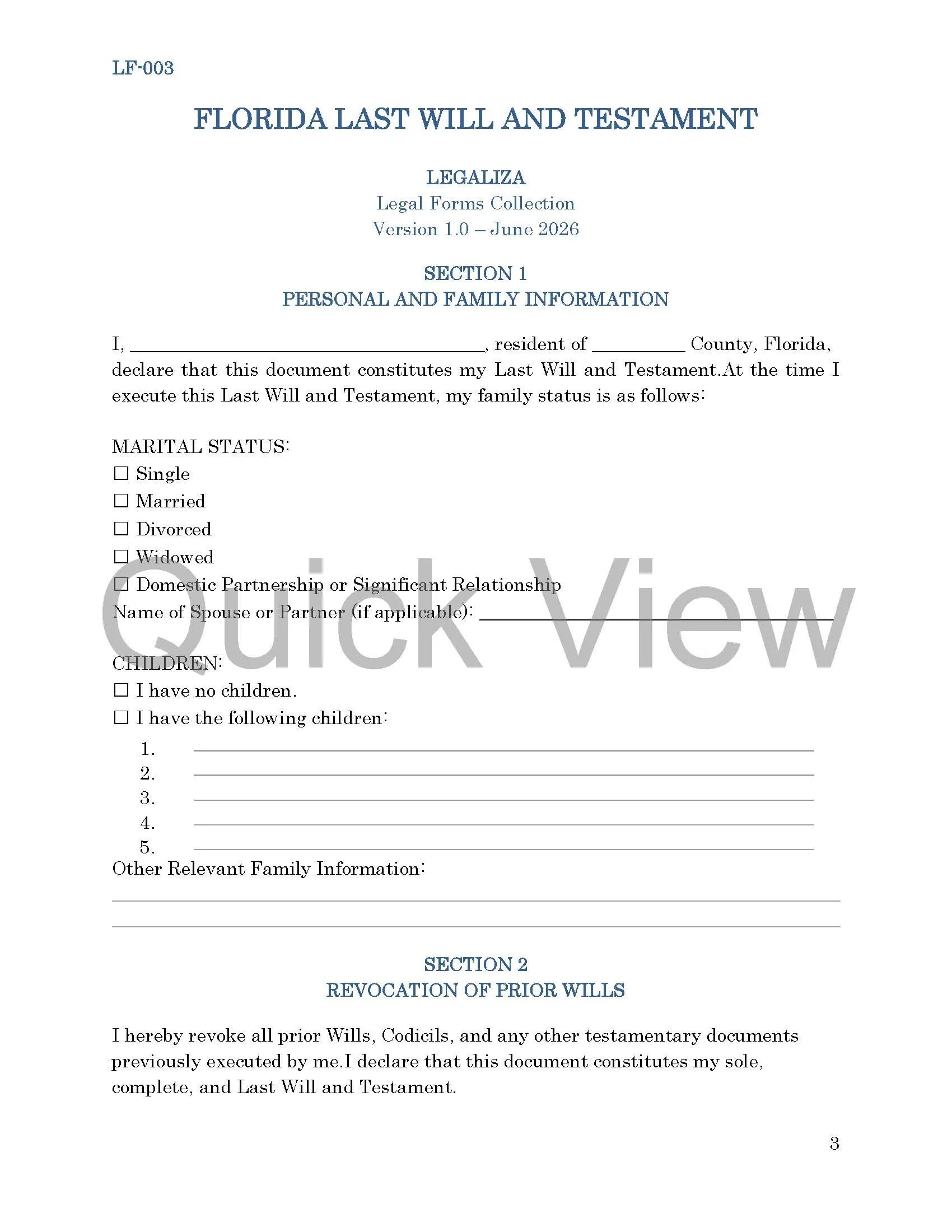
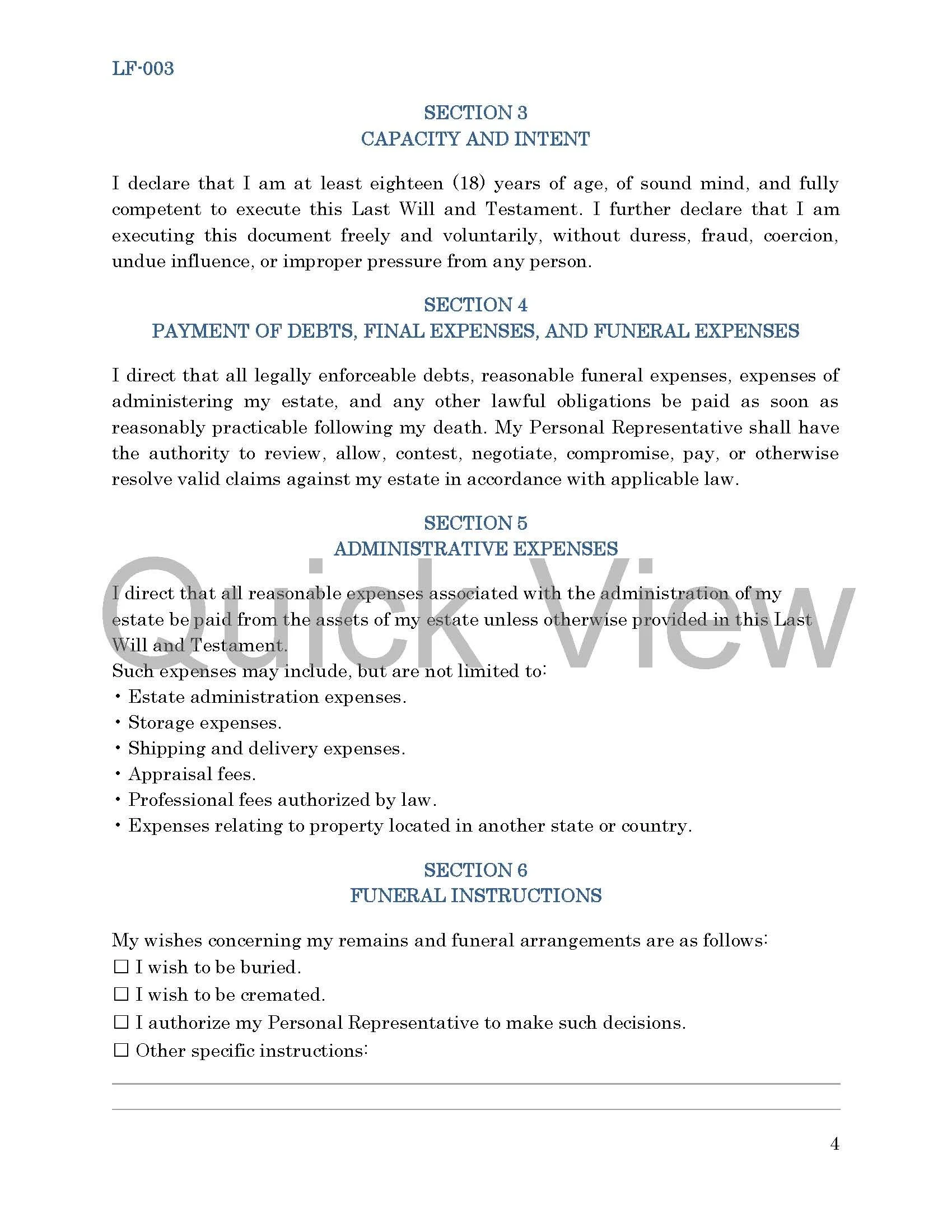
A will is a legal document in which a person (the testator) sets forth their final wishes regarding the distribution of their assets, the care of minor children, the appointment of executors, and other provisions to take effect after their death. Its primary purpose is to ensure that the testator's intentions are carried out after their passing and to provide legal clarity that helps minimize disputes among heirs..
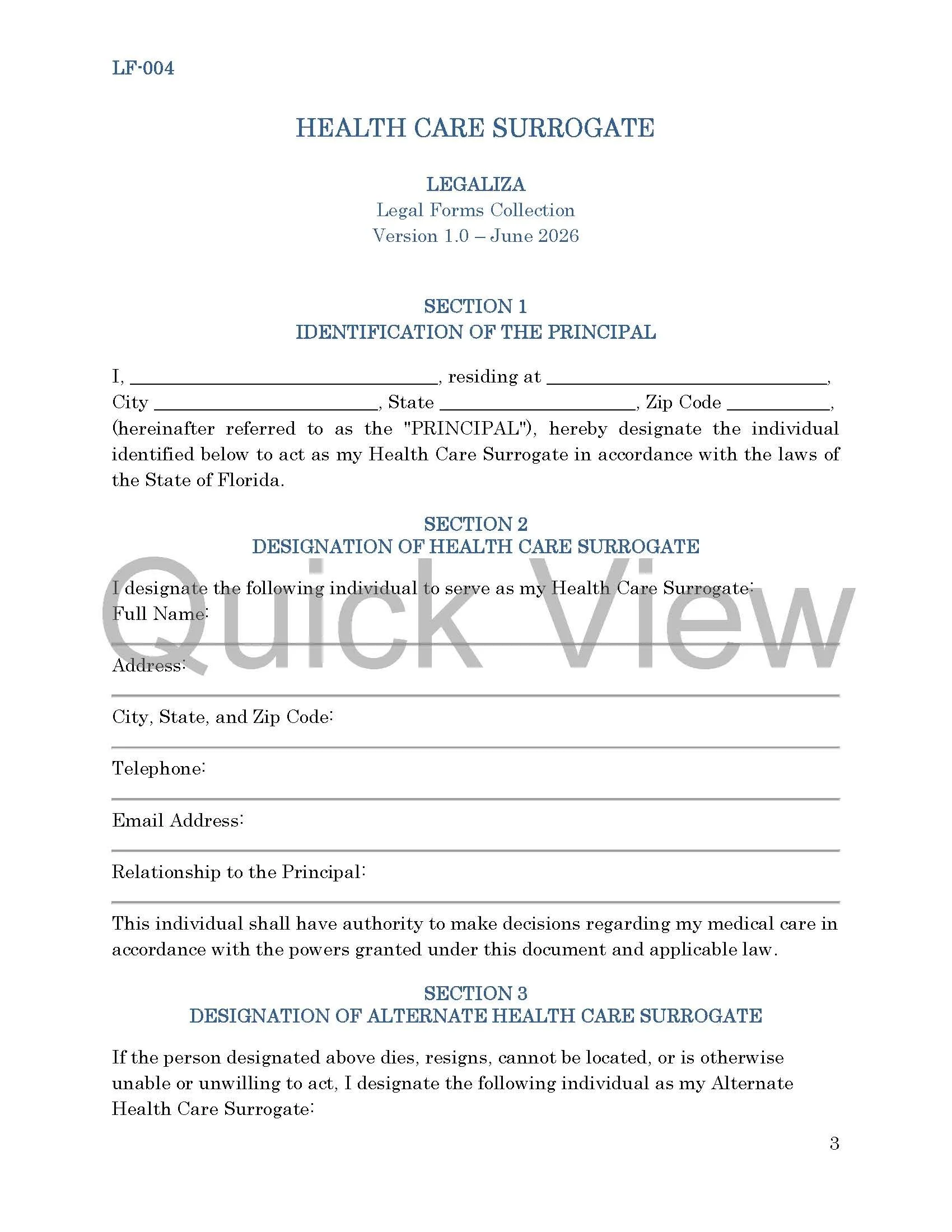
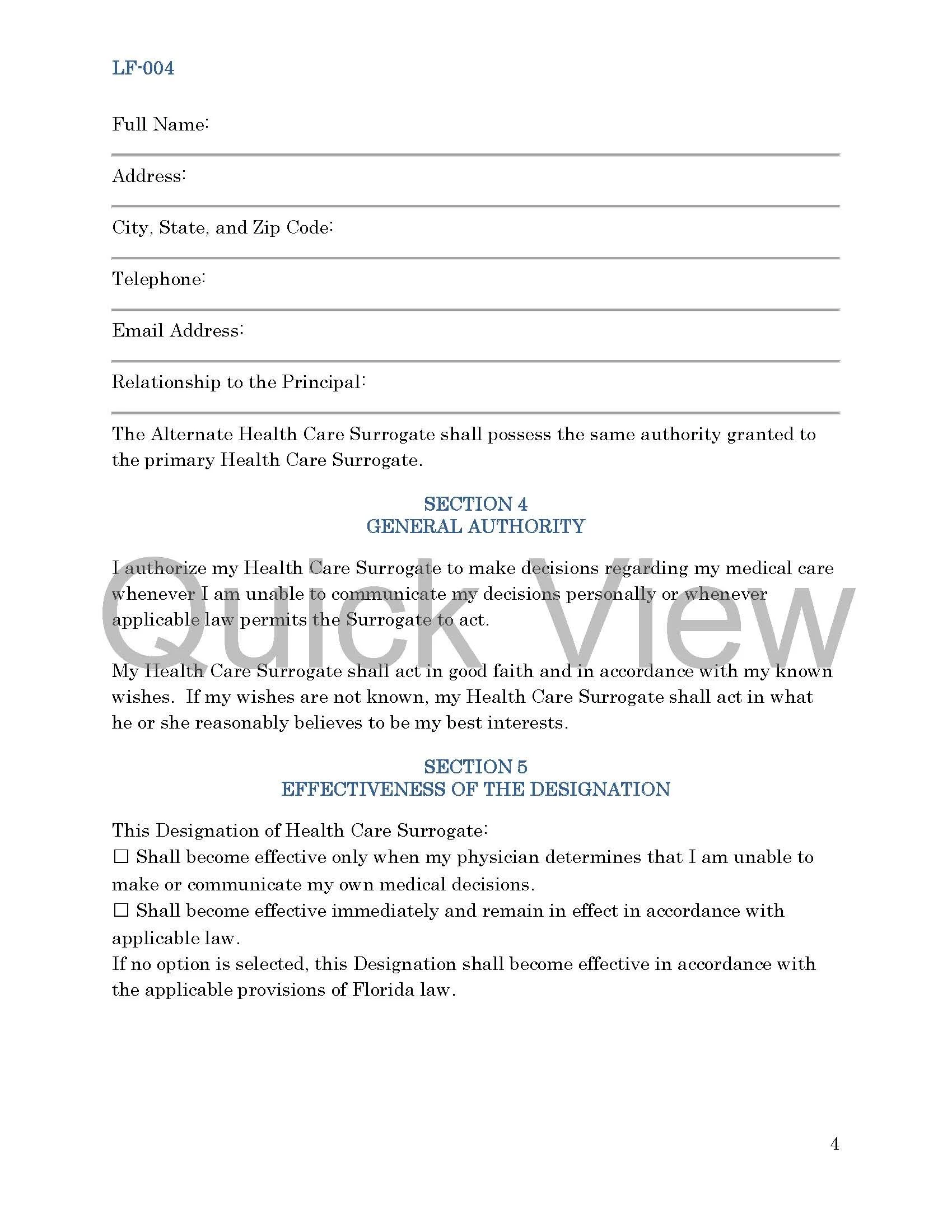
A medical power of attorney is a legal document in which one person (the principal) designates another (the agent or representative) to make medical decisions on their behalf should they become incapacitated or unable to express their wishes. This power allows the agent to access medical information, communicate with doctors and hospitals, accept or refuse treatments, authorize procedures, make decisions regarding the use of ventilators and other life-support measures, and manage hospital admission or discharge..
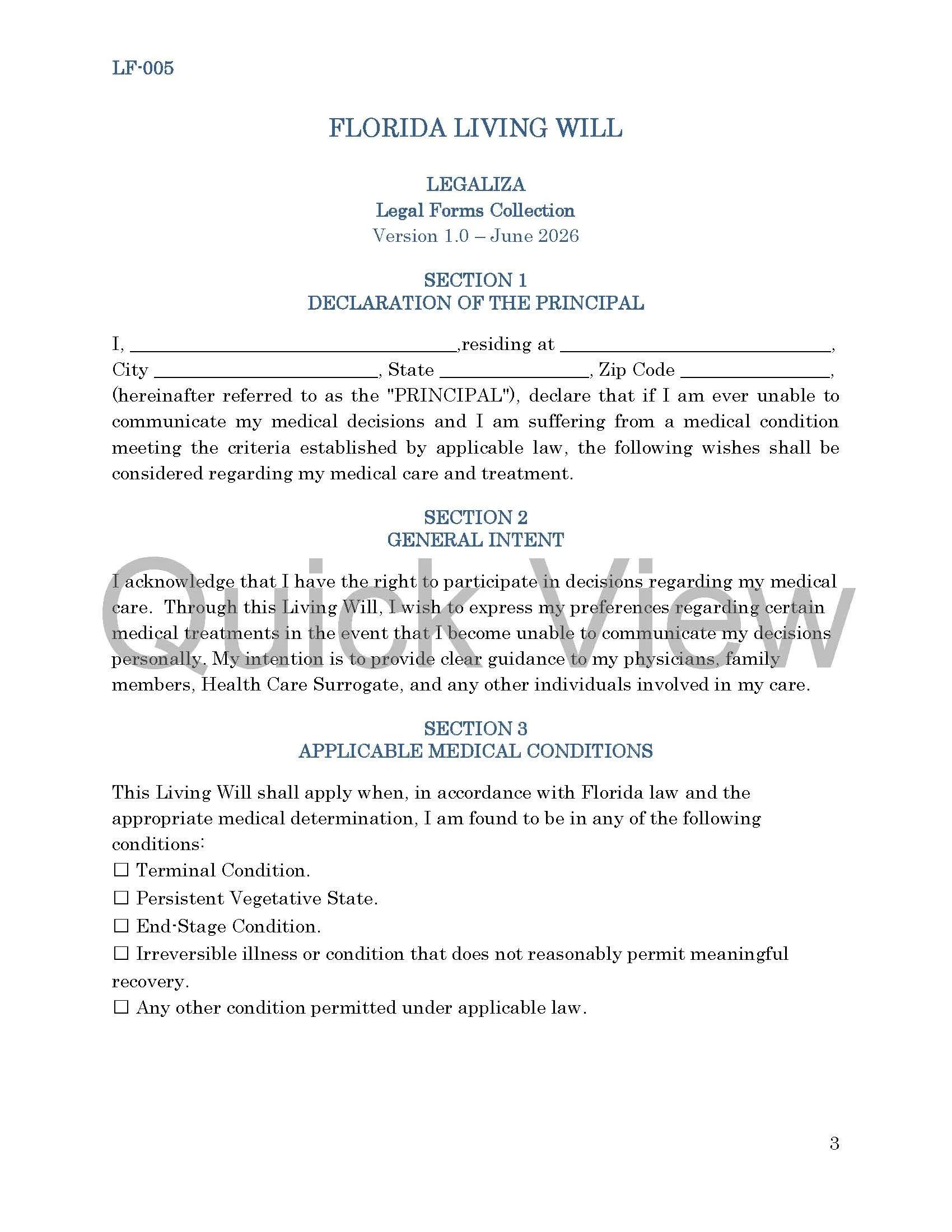
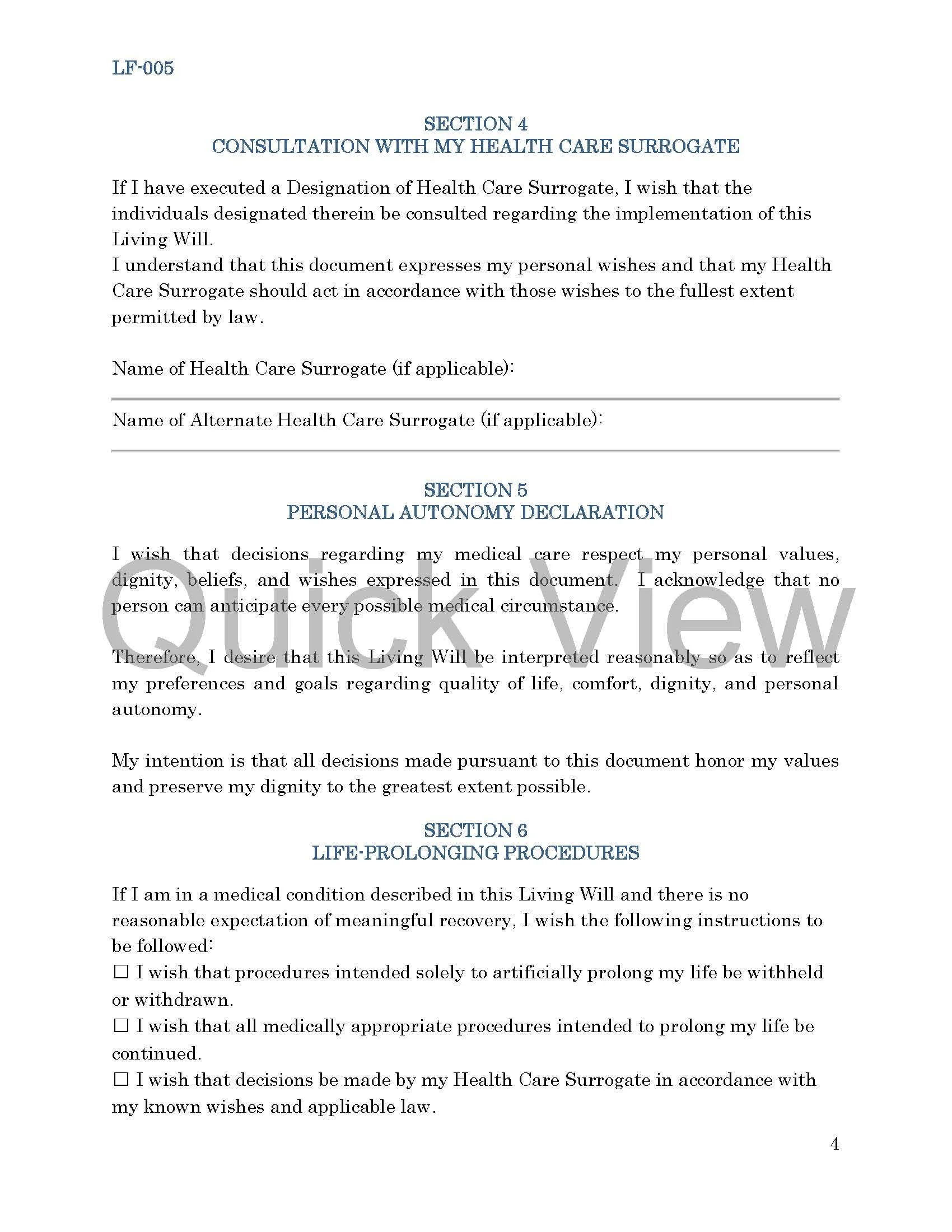
Medical directives (also known as advance directives or living wills) are documents in which a person states in advance their wishes regarding the type of medical care and treatment they wish to receive—or refuse—should they become unable to make decisions for themselves due to illness, severe injury, or loss of mental capacity. Their purpose is to ensure that healthcare decisions respect the patient's autonomy and personal values when the patient is unable to communicate them.
No results match your search. Try removing a few filters.